Tesla shares slid as much as 4% on Monday after Morgan Stanley dialed back its rating on the electric-vehicle giant, marking the bank’s first downgrade of the stock in two years.
Lead analyst Andrew Percoco shifted Tesla from “Overweight/Buy” to “Equal Weight/Hold.” Interestingly, the cut comes even as he raised Tesla’s price target from $410 to $425 per share—a level that still sits slightly below where the stock was trading late Monday, suggesting limited upside.
Percoco said he still expects Tesla to push forward on major initiatives—especially in areas like Full Self-Driving (FSD) and its robotics program—but warned that the stock has become too expensive given potential near-term hurdles. Morgan Stanley trimmed its expectations for Tesla’s automotive business amid cooling EV demand and intensifying global competition.
According to the note, the bank now projects:
- 10.5% lower vehicle volume in 2026, and
- 18.5% fewer cumulative deliveries through 2040,
reflecting slower EV uptake in the U.S. and pressure from rivals.
A Wild Year for Tesla Shares
Tesla has whipsawed investors throughout 2024. The stock at one point plunged 45% before rebounding and delivering a roughly 12% gain year-to-date. The bounce aligned with CEO Elon Musk’s return to full-time leadership at Tesla after spending several months running the Department of Government Efficiency.
Even so, Percoco warned that volatility is likely to remain a defining feature over the next year.
“While Tesla is more than just an automaker, we expect a bumpy trading environment over the next 12 months,” he wrote, noting that expectations for Tesla’s non-auto segments—like energy, AI, and robotics—already appear priced into the stock.
Robotaxis, Robotics, and Rising Risk
Morgan Stanley updated its long-time “sum-of-the-parts” valuation model to factor in progress in two areas Musk has heavily promoted: humanoid robots (Optimus) and robotaxi development.
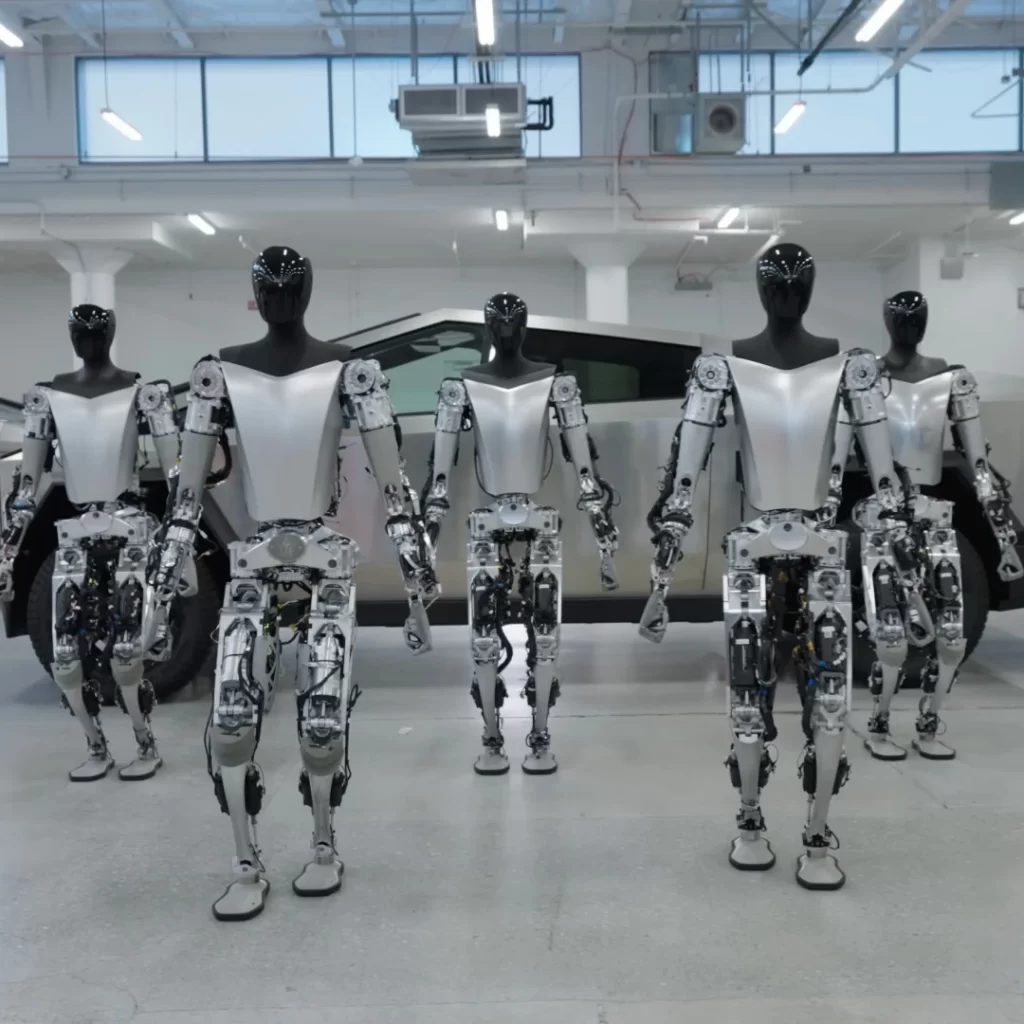
The analysts see public robotaxi launches and continued FSD improvements as meaningful catalysts, but they also emphasized the execution risks involved.
One major concern: Tesla’s camera-only FSD strategy.
While most autonomous-vehicle competitors use LiDAR sensors, Musk has doubled down on a purely vision-based system. Morgan Stanley said the approach may be cost-efficient but will face greater scrutiny from regulators—especially in U.S. regions with severe weather, where camera systems alone may struggle.
Competition Builds—Especially From China
Excitement around Tesla’s Optimus robot remains high, but rivals—particularly Chinese companies—are accelerating development. Morgan Stanley noted that China’s government has made robotics a national priority, which could threaten Tesla’s technological edge.
Not a Bearish Call—But a Warning Signal
Percoco stressed that the downgrade isn’t a bet against Tesla’s long-term prospects. Instead, it’s a caution that the company may experience meaningful turbulence as it attempts to lead in multiple cutting-edge fields simultaneously.
The takeaway: Morgan Stanley still believes in Tesla’s future, but thinks investors may get a better entry point once near-term challenges play out.